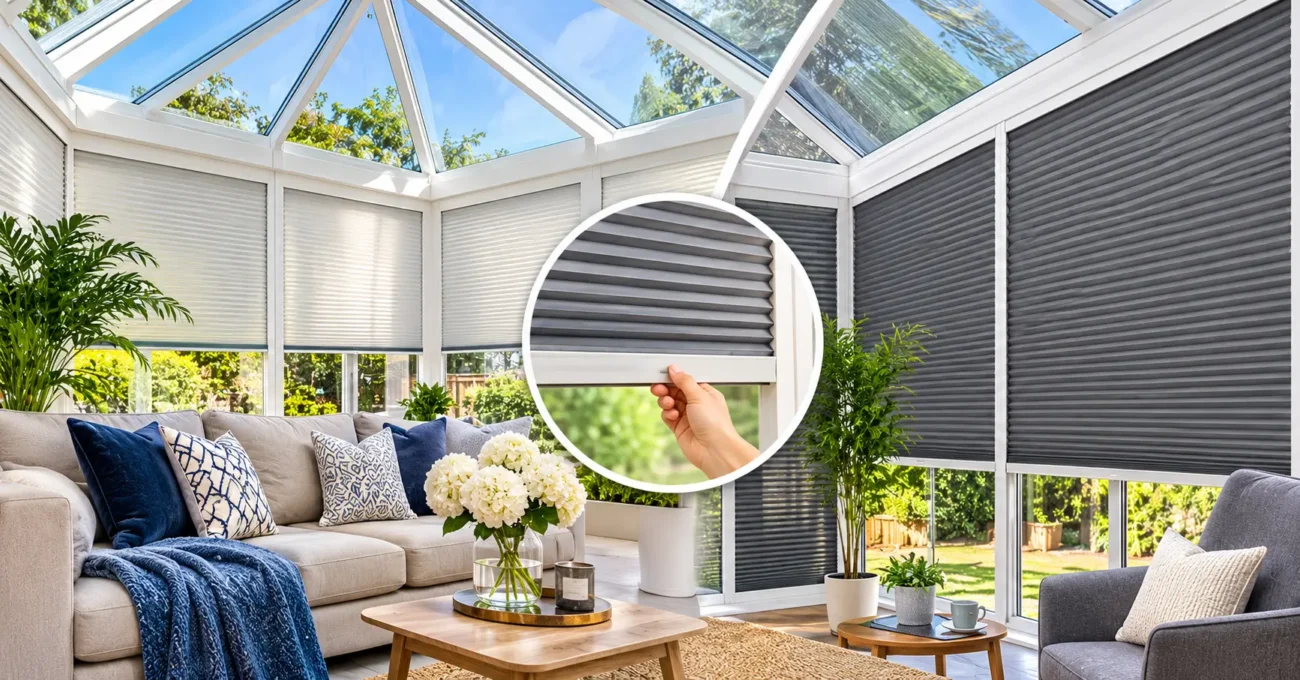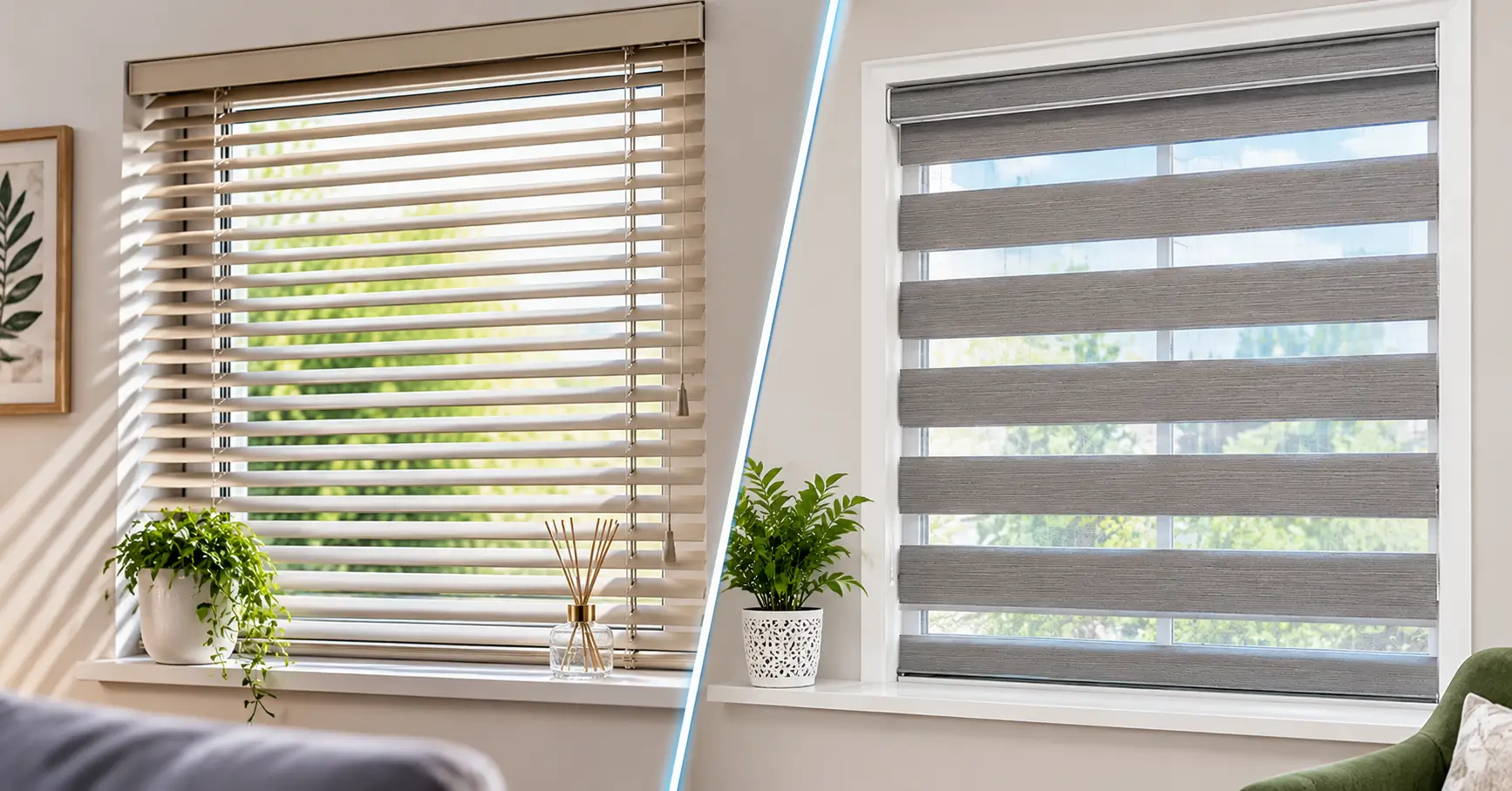
Choosing the right blinds can make a noticeable difference to the comfort, privacy and appearance of your home. However, with so many styles and fitting options available, finding the right window covering is not always straightforward. Two popular choices are perfect fit blinds and traditional blinds, each offering different benefits depending on your windows and requirements.
If you have uPVC windows, French doors or a conservatory, you may have come across perfect fit blinds. Their neat appearance and convenient fitting system make them an attractive option for modern homes. Traditional blinds, on the other hand, remain a practical choice for many different window styles.
Understanding the differences can help you decide which option is better suited to your home.
What Are Perfect Fit Blinds?
Perfect fit blinds are designed to sit neatly within a specially made frame that attaches around the glass of a window or door. Rather than using conventional screws to secure the blind to the surrounding wall or window frame, the system uses suitable brackets fitted into the glazing bead area.
This design makes them particularly popular for uPVC windows and doors. Because the blind moves with the window or door, it does not usually swing freely when you open or tilt the window.
Perfect fit blinds are available in several styles, including roller and Venetian designs. Homeowners can choose from different colours, fabrics and finishes to complement their interiors.
One of their main attractions is the no-drill installation method, although compatibility depends on the window design and the specific fitting system.
What Are Traditional Blinds?
Traditional blinds are conventional window coverings installed using brackets, which are generally secured with screws to a wall, ceiling or window frame. They can be fitted inside or outside a window recess, depending on the available space and desired appearance.
There are several popular types to consider:
- Roller blinds: Simple fabric blinds that roll up and down, offering a practical solution for bedrooms, kitchens and living rooms.
- Venetian blinds: Feature horizontal slats that can be tilted to adjust privacy and the amount of incoming light.
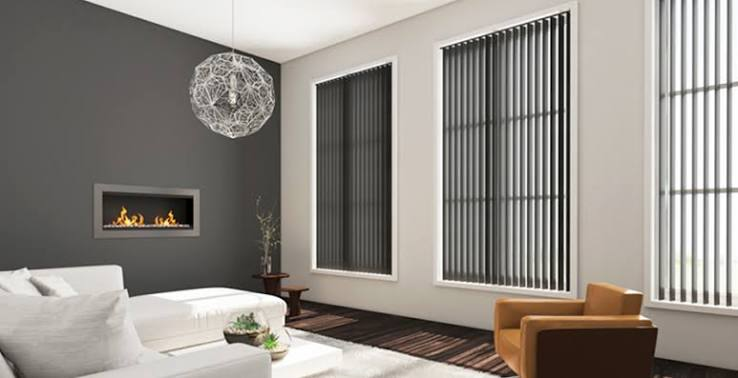
- Vertical blinds: Use vertical fabric slats that can be turned or drawn aside, making them suitable for wider windows and patio doors.
Traditional blinds offer considerable flexibility in terms of sizes, materials and fitting positions. They can also be made to measure, ensuring a suitable fit for different window dimensions.
Key Differences Between Perfect Fit Blinds and Traditional Blinds
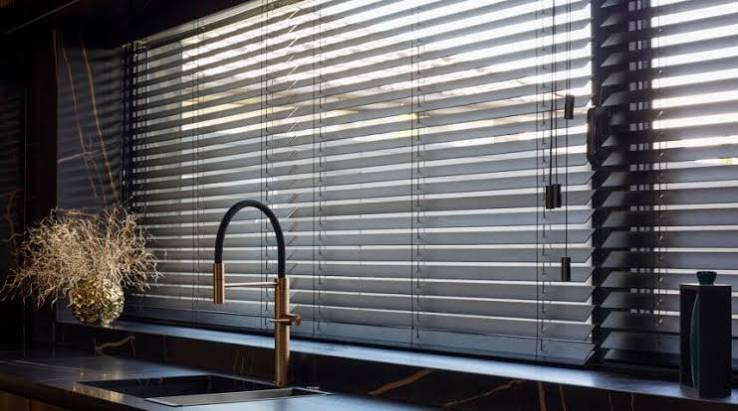
Although both options provide privacy and light control, their fitting methods and everyday use are quite different.
| Feature | Perfect Fit Blinds | Traditional Blinds |
| Installation | Clips into a suitable window frame | Usually fitted with brackets and screws |
| Drilling | Generally no drilling required | Often requires drilling |
| Appearance | Sits neatly against the glazing | Can sit inside or outside the recess |
| Movement | Moves with the window or door | Usually stays independently mounted |
| Light control | Depends on blind style and fabric | Depends on blind style and fabric |
| Window suitability | Best for compatible windows and doors | Suitable for a wider range of openings |
| Maintenance | Generally straightforward to clean | Depends on the design and fitting |
1. Installation and Drilling
One of the biggest differences is installation. Perfect fit blinds use a clip-in frame, avoiding conventional drilling into the window frame. This can be useful for homeowners who want to keep their uPVC frames undamaged.
Traditional blinds generally need brackets fixed with screws, although alternative fixing methods are available for certain installations.
2. Appearance and Design
Perfect fit blinds provide a close-fitting, streamlined appearance because the blind sits neatly within the window frame. This creates a tidy finish without hanging fabric or slats around the edges.
Read More: 6 Things You Must Consider Before Installing Window Blinds
Traditional blinds offer more flexibility in positioning. They can be installed above the recess or directly within it, depending on the look you want.
3. Privacy and Light Control
Both options can help manage sunlight and privacy. Venetian blinds allow you to tilt the slats, while roller blinds can be raised or lowered to control incoming light.
The level of privacy and darkness depends on the selected material, fabric and blind design rather than simply the fitting system.
4. Suitability and Everyday Convenience
Perfect fit blinds are particularly useful for compatible uPVC windows, French doors and conservatories. As the blind moves with the window or door, it is less likely to get in the way during everyday use.
Traditional blinds are often a better option for larger windows, unusual openings and spaces where a conventional fixing position is preferred.
5. Cleaning, Maintenance and Cost
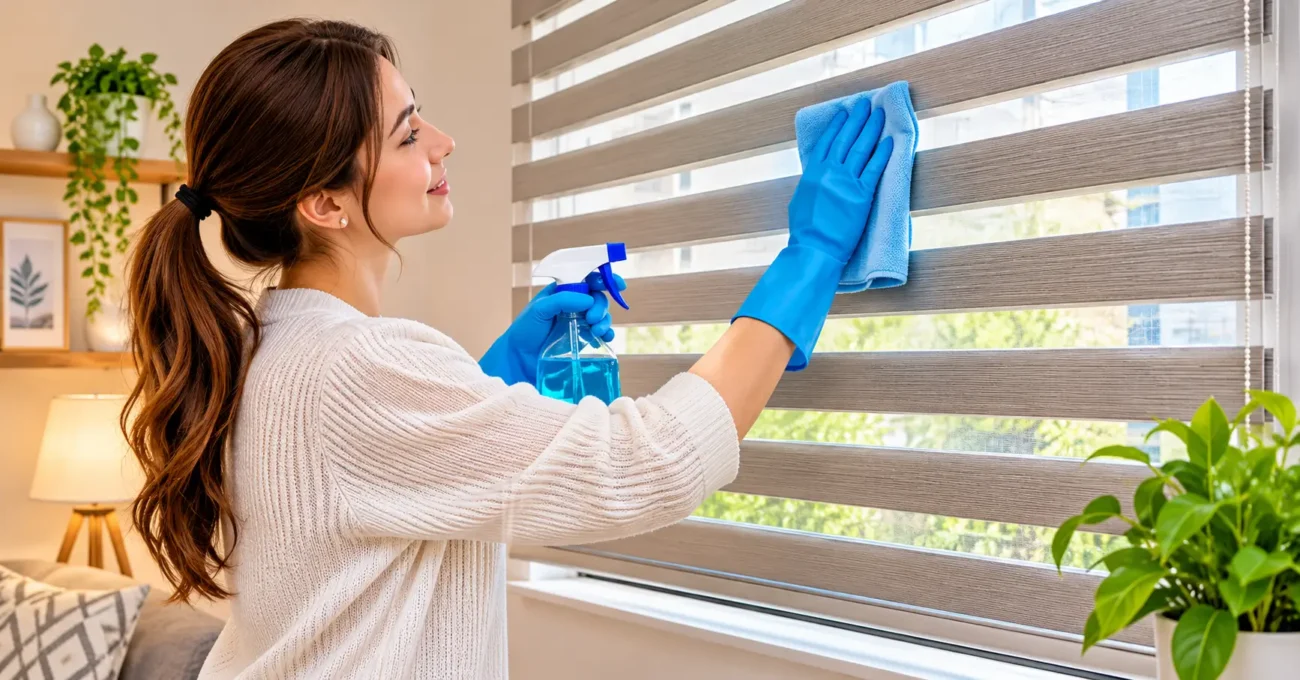
Both types require regular dusting and occasional cleaning according to their materials. The frame and fabric of perfect fit blinds should be cleaned carefully to maintain their appearance.
Costs vary depending on dimensions, materials, operating mechanisms and installation requirements. Perfect fit systems may involve additional framing components, while traditional blinds offer a broad choice of options for different budgets.
Why Choose Perfect Fit Blinds?
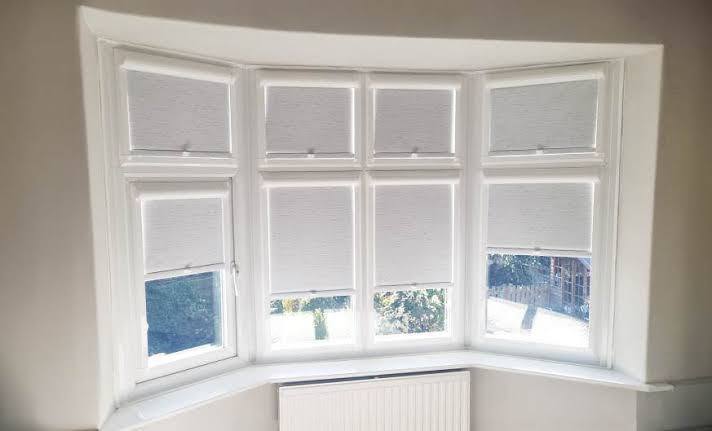
There are several reasons homeowners choose perfect fit blinds for modern interiors.
- Neat appearance: Their close-fitting design creates a clean finish around the glass.
- No-drill installation: Suitable systems avoid conventional drilling into the window frame.
- Convenient operation: The blind moves with the window or door, helping prevent unnecessary movement.
- Suitable for uPVC windows: They are particularly useful for compatible uPVC windows and glazed doors.
- Different designs: Roller, Venetian and pleated options provide choices for different interior styles.
- Privacy and light management: Different fabrics and slat designs allow you to control visibility and incoming sunlight.
They can be especially practical in conservatories, where multiple glazed panels may benefit from a consistent window covering.
Are Traditional Blinds Still a Good Choice?
Absolutely. Traditional blinds remain a reliable option for many homes because they offer flexibility in design, positioning and installation.
For example, vertical blinds can work particularly well across wide windows and patio doors, while roller blinds are a popular choice for smaller windows and bedrooms. Wooden and Venetian blinds can also complement classic and contemporary interiors.
They are worth considering if your windows are not compatible with a perfect fit system or if you prefer a blind mounted above the window recess.
The best option depends on your space, preferences and practical requirements.
Which Type of Blinds Is Right for Your Home?
Before choosing, consider the type of windows you have and how you use each room.
Perfect fit blinds are worth considering if you have suitable uPVC windows, French doors or a conservatory and want a neat finish without conventional drilling.
Traditional blinds may be more suitable for large window openings, unusual window shapes or rooms where you want greater flexibility over mounting positions.
Your budget, preferred fabric, privacy requirements and desired level of light control should also influence your decision. Made-to-measure blinds are particularly helpful because accurate measurements ensure the finished product suits your window.
If you are unsure, professional advice can help you compare suitable options before making a purchase.
Faqs About Perfect Fit Blinds
What is the main difference between perfect fit blinds and traditional blinds?
Perfect fit blinds attach to a specially designed frame around the window glass, while traditional blinds are usually installed using brackets and screws. Perfect fit blinds offer a closer-fitting appearance and are particularly popular for suitable uPVC windows.
Do perfect fit blinds require drilling?
No. Perfect fit blinds generally use a clip-in bracket system that avoids conventional drilling into the window frame. However, the fitting method depends on the window design and compatibility.
Are perfect fit blinds suitable for all uPVC windows?
Not all uPVC windows are compatible with perfect fit blinds. The glazing bead shape, depth and window design need to be checked before choosing a suitable system.
Can perfect fit blinds be installed on French doors?
Yes. Perfect fit blinds can be a practical option for compatible French doors because they move with the door when it opens and closes, reducing unwanted movement.
Are perfect fit blinds better than traditional blinds?
Both have advantages. Perfect fit blinds are ideal for homeowners who prefer a neat finish and no-drill installation, while traditional blinds offer greater flexibility in mounting positions and styles. The right choice depends on your windows, budget and personal preferences.
Upgrade Your Windows with Blinds Duo
Finding the right window covering becomes easier with the right guidance. At Blinds Duo, homeowners can explore made-to-measure blinds designed to complement different interiors and window styles.
From selecting suitable fabrics and colours to professional measuring and fitting, the team helps make the process straightforward. Blinds Duo also offers free home consultations, allowing you to discuss your requirements and explore available options before deciding.
Serving Birmingham and surrounding areas, the company provides a range of window blinds to suit different homes and budgets.
If you are considering perfect fit blinds for your uPVC windows or traditional blinds for your living room, contact Blinds Duo today for expert advice and a free quotation.